Table Of Content
- Platelet-rich plasma for androgenetic alopecia: A review of the literature and proposed treatment protocol☆☆☆
- Preparation
- What makes you a good candidate for PRP therapy?
- Cicatricial Alopecia
- Platelet-Rich Plasma (PRP) Injections for Hair Loss: What to Know Beforehand
- Here's What You Need to Know About Platelet-Rich Plasma Treatment for Hair Loss
- Providers by Procedures

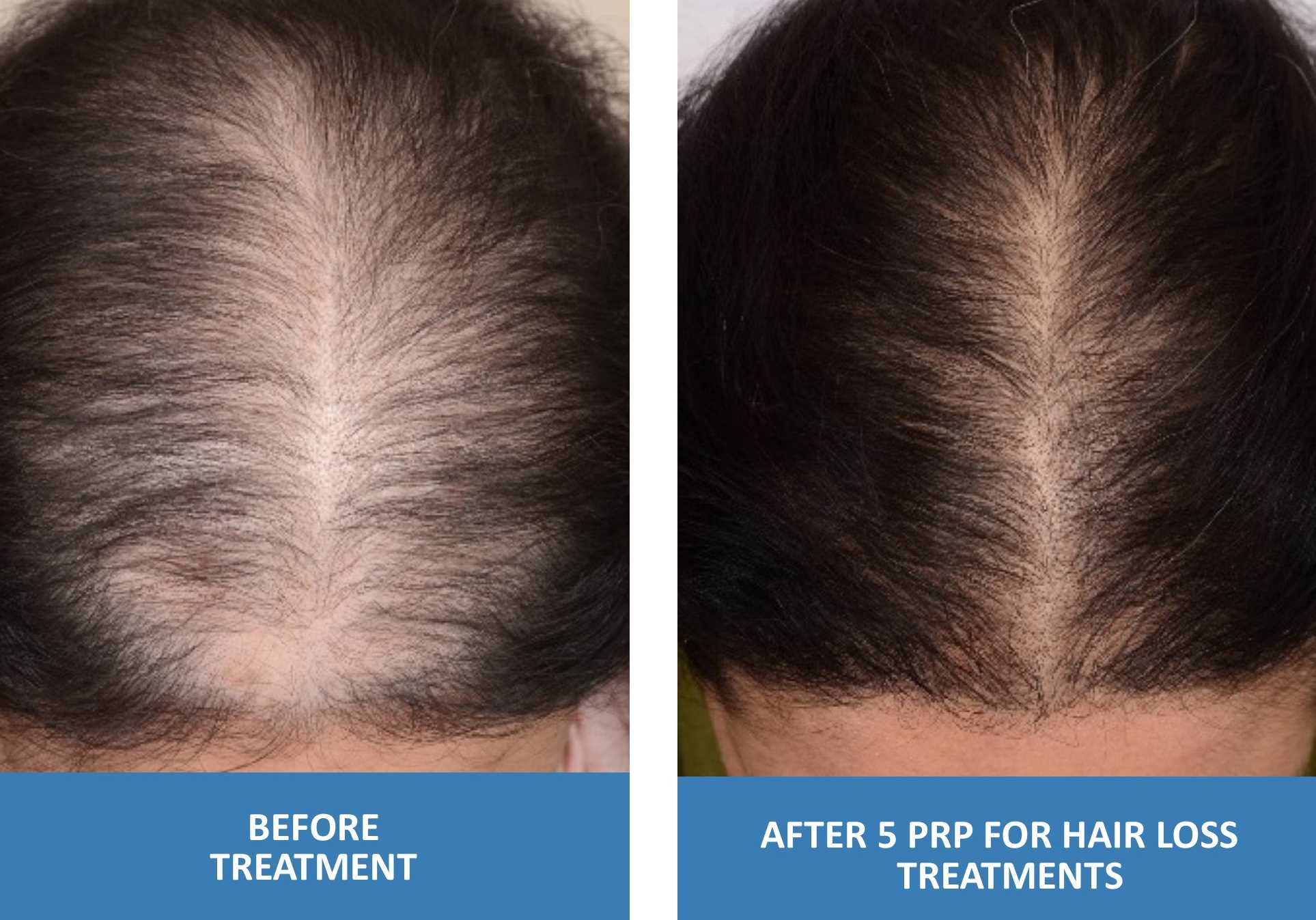
In a 2015 study of 20 people, researchers found that only 4 participants reported hair loss 12 months after their last treatment. Before treatment, all our patients (100%) had a positive hair pull test with mean number of 10 hair. After the fourth session, the pull test was negative in 9 patients (81.81%) with average number of three hairs. A significant reduction in hair loss was observed between first and fourth injection as noticed by patients. Global pictures also revealed a moderate improvement in hair volume and coverage. [Figures [Figures33 and and4]4] Hair count depicted average number of 71 hair follicular units over marked area before starting the treatment, and after 4 sessions of PRP, average number of follicular units was 93.09 follicular units.

Platelet-rich plasma for androgenetic alopecia: A review of the literature and proposed treatment protocol☆☆☆
They acknowledged, however, that the treatment is controversial, noting that small sample sizes and low quality of research were among the limiting factors of their investigation.
Preparation
Further studies will be needed to determine if platelet concentrates are a valid aid in dermatology and if they can be considered an alternative or support to other therapies [76]. PRP showed to be able to promote proliferation of DP cells in the bulge area and to induce follicular stem cell differentiation into hair follicle cells, stimulating the transition from telogen to anagen phase [49]. The growth factors released after PRP injection are also able to prevent DP cells apoptosis by inducing an increase in Akt and Bcl-2 expression, extending the length of the anagen phase which is typically reduced in AGA. VEGF, PDGF, EGF, TGF-ß, and FGF in PRP showed to be able to foster vascularization, providing oxygen and nutrients to support folliculogenesis [48,63].
What makes you a good candidate for PRP therapy?
Injections should be spaced out in the thinning area, which is typically along the hairline, part, vertex, and crown of the scalp. Treatment intervals should include monthly sessions for the first 3 months, then every 3 months for the first year (6 treatment sessions in first year at months 1, 2, 3, 6, 9, and 12). However, three monthly sessions followed by sessions at 6-month intervals have also been effective. Overall, male and female patients have had positive results from PRP injections in AGA in terms of regrowth, increased hair density, and improved quality of life (Figs. 1 and and22).
Cicatricial Alopecia
Although there have been many studies supporting the use of PRP in AGA, there have also been studies showing a lack of improvement with PRP. Puig et al. (2016) conducted a double-blind, multicenter, placebo-controlled study of 26 female patients with Ludwig II AGA. After receiving one PRP or normal saline placebo subcutaneous scalp injection, an evaluation was performed using hair count (through photography), hair mass index (Cohen hair check system), and patient opinion surveys at 26 weeks. There was no statistically significant difference in hair mass index or hair count when comparing the PRP-treated and placebo groups. However, 13.3% of PRP-treated patients reported an improvement in ease of styling, hair loss, and hair thickness compared with 0% in the placebo group (Puig et al., 2016).
Platelet-Rich Plasma (PRP) Injections for Hair Loss: What to Know Beforehand
This is due to the fact that expression of 5α-reductase and androgen receptors in female hair follicles are approximately half the levels of the male counterpart. Additionally, female hair follicles express higher levels of aromatase compared to male hair follicles, resulting in increased local production of estradiol from testosterone and subsequent less formation of DHT [4,21]. After creating platelet-rich plasma from a patient’s blood sample, that solution is injected into the target area, such as an injured knee or a tendon.
PRP injections are rich in proteins called growth factors, which may stimulate dormant hair follicles when injected into the scalp, encouraging hair regeneration. As impaired cell signaling, altered growth factor and cytokine production contribute significantly to AGA, there is great interest in the use of PRP for FAGA treatment [48]. The release of these growth factors leads to activation of the extracellular signal-regulated kinase (ERK) and protein kinase B (Akt) signaling pathways, resulting in accumulation of β-catenin and FGF-7 [49]. These factors are able to promote proliferation of DP cells in the bulge area, resulting in induction of follicular stem cell differentiation and stimulation of the transition from telogen to anagen phase in hair follicles. The activation of anti-apoptotic signaling pathways, such as those of Bcl-2 and Akt, prevent catagen phase with subsequent lengthening of the anagen phase, allowing the hair to grow [50]. Furthermore, the release of VEGF, PDGF, EGF, TGF-β, and FGF promotes angiogenesis, providing hair follicles with nutrients and oxygen [51].
HydraFacial Keravive: My review of the hair growth treatment - Cosmopolitan UK
HydraFacial Keravive: My review of the hair growth treatment.
Posted: Tue, 05 Mar 2024 08:00:00 GMT [source]
Providers by Procedures
In contrast, higher concentrations of platelets were suggested to decrease the angiogenic potential (Giusti et al., 2009). The optimal number of treatments and time spaced between them has not been established. Establishing the significance of these elements is crucial to identify the most effective preparation for AGA.
Platelet-Rich Plasma (PRP) Injections for Hair Loss
At this point, without a standardized protocol for injections, the authors explain, it is difficult to conclude that the treatment is effective. Doctors have also used PRP to treat injuries to the tendons, muscles, and ligaments, such as those that people sustain during sporting activities. To produce PRP, a medical professional will take a blood sample and put it into a machine called a centrifuge.
Furthermore, PRP can also be used as a combination treatment with the follicular unit extraction (FUE) hair transplantation as shown in a single-blind, prospective randomized study in 40 FUE hair transplant patients. The patients were divided into two groups, PRP was injected intra-operatively immediately after creating slits over the recipient area in PRP group while normal saline was injected in non-PRP group. They also contain a wide variety of growth factors, which improve healing and stimulate hair growth. The analysis ultimately focused on 11 research papers that included a total of 262 participants with androgenetic alopecia.
Currently, there is debate in the literature as to whether leukocytes in PRP have a positive or negative effect in AGA. Neutrophils may release reactive oxygen species and proinflammatory cytokines such as tumor necrosis factor alpha, which may increase inflammation and destroy surrounding tissue (Dohan Ehrenfest et al., 2012, Zhou et al., 2015). As to patients’ perspective, perceived hair mass was found to be significantly higher in patients treated with NA-P-PRP compared to placebo [59].




No comments:
Post a Comment